Which taste type are you?
Answer 10 questions, find out which taste type you are, and get restaurant recommendations that truly match your taste.
Five tastes and one pain signal.
Your tongue tells five basic tastes apart. Each has its own sensory cells, and each once told the body something specific.
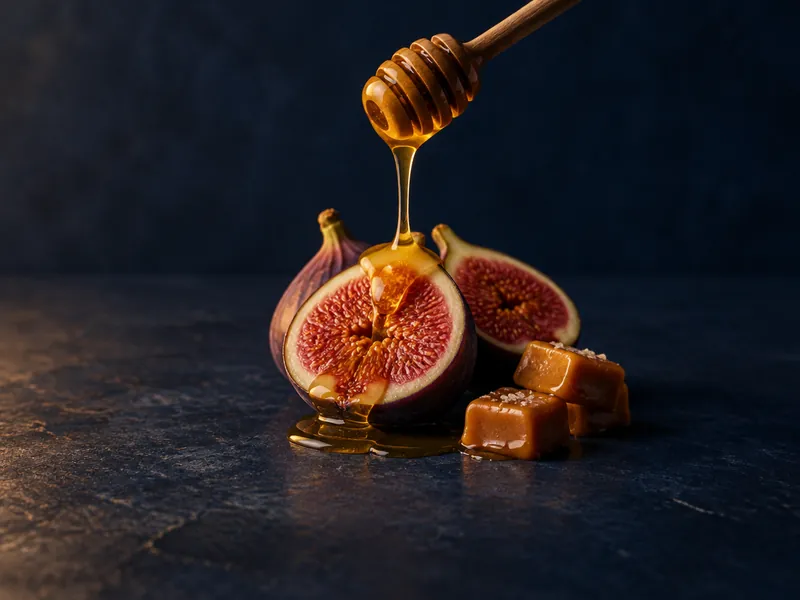
Sweet
Sugar, which means fast energy. The liking for it is innate.
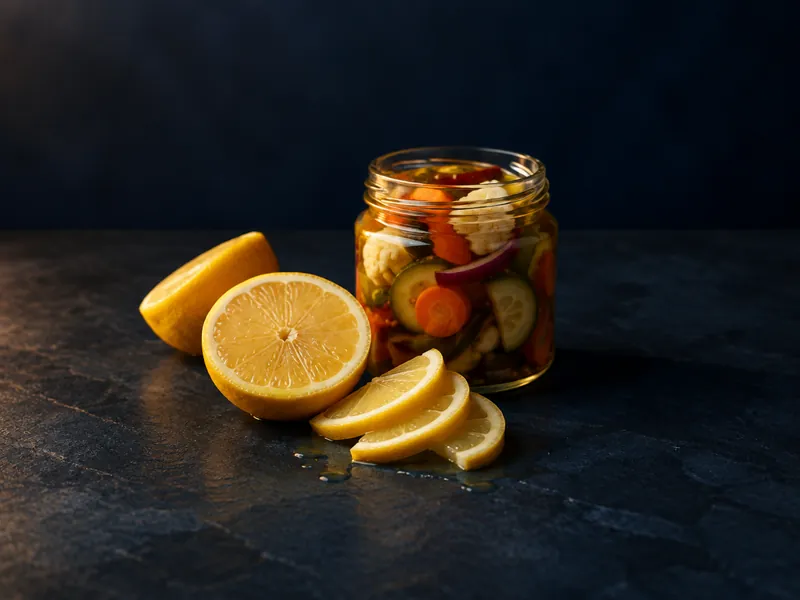
Sour
Acids. A sign of unripe or fermented food, and in small doses of freshness.
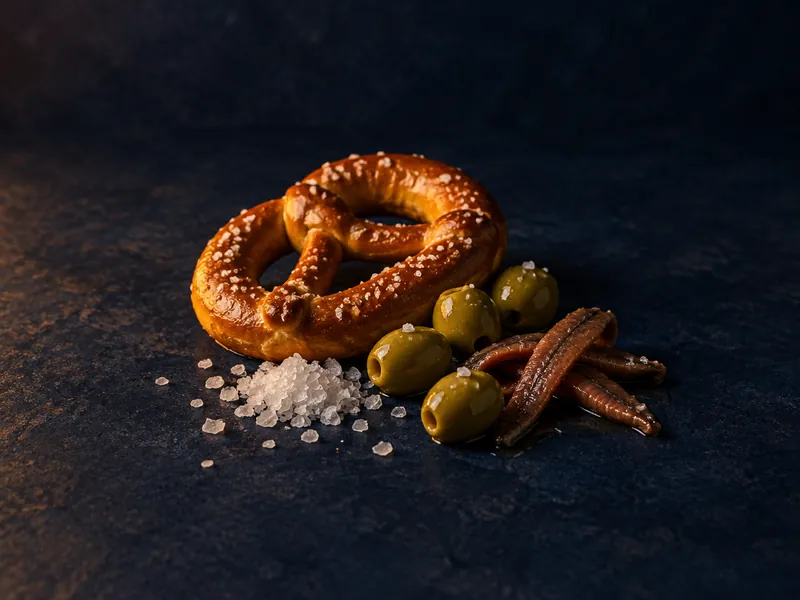
Salty
Sodium and other minerals the body needs and cannot make itself.
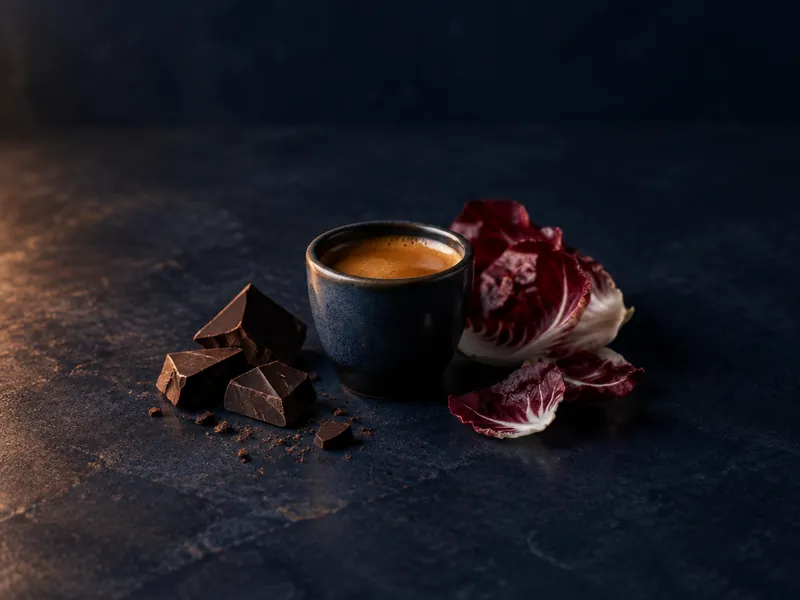
Bitter
Originally a warning signal for toxic plant compounds. How strongly you perceive bitterness is partly innate.
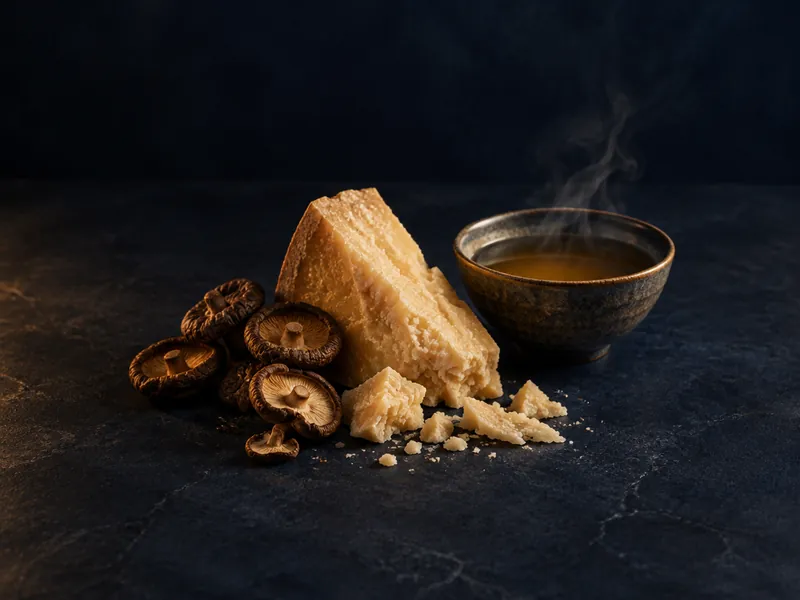
Umami
Glutamate, a hint of protein. The Japanese chemist Kikunae Ikeda described the taste in 1908. The name means roughly “savory”.
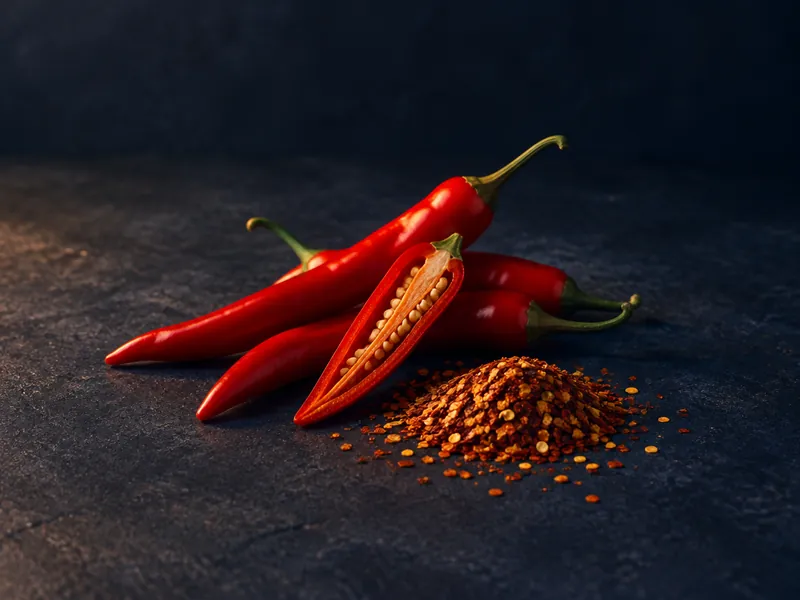
Spicy is not a taste
Capsaicin from chili does not bind to taste cells. It binds to a receptor that normally reports heat and pain. That is why spice feels hot although nothing is hot. For the question of which restaurant fits you, heat is still one of the most important traits. So it counts as the sixth direction in the test.
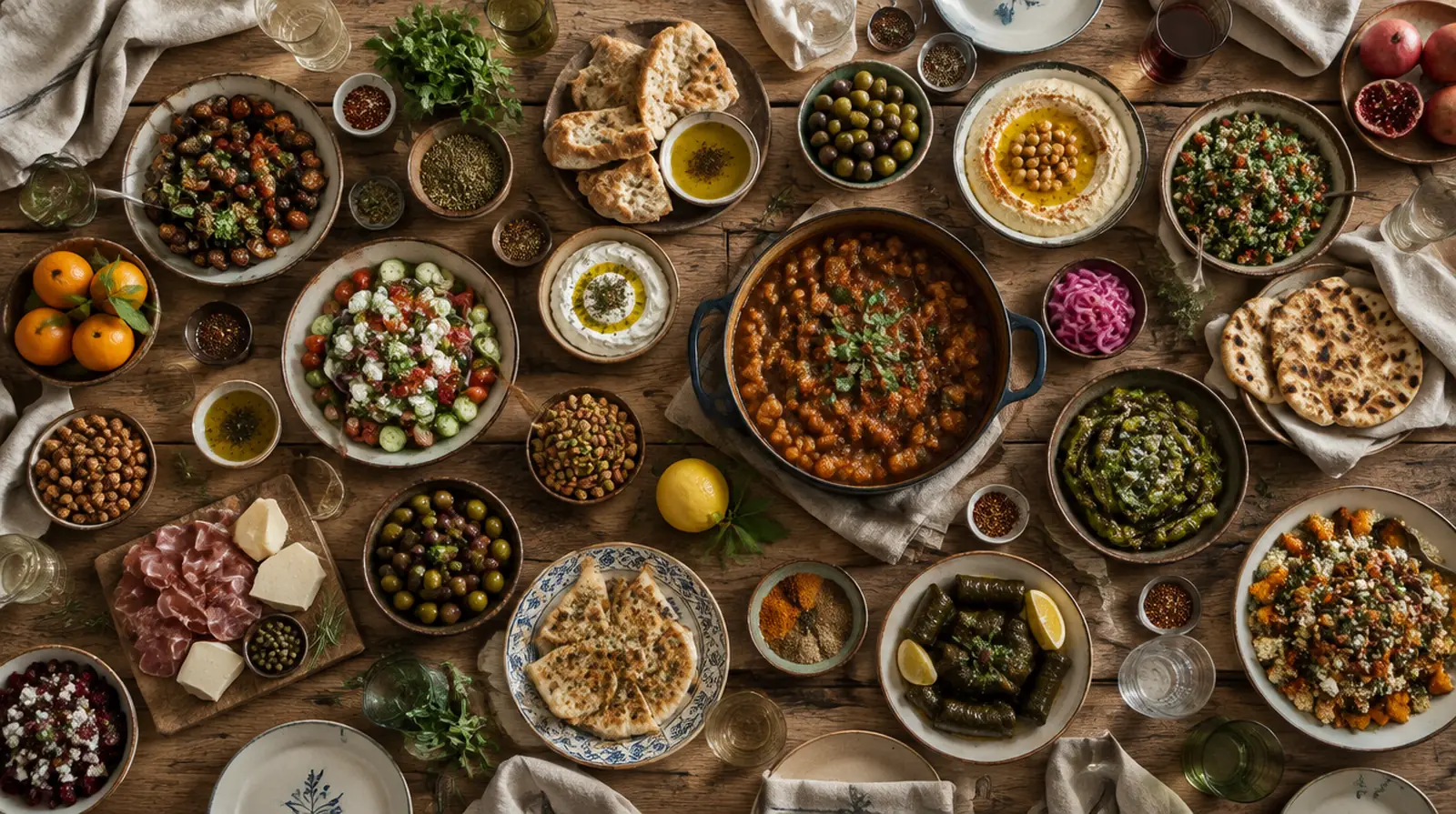
What actually shapes our taste type?
You love cilantro and the person across the table thinks it tastes like soap. There are reasons for that, and you did not choose most of them.
- Your genes
- How strongly you perceive bitterness depends on variants of your bitter receptors. Whether cilantro tastes fresh or soapy to you is also linked to a gene, in this case for a smell receptor.
- Your childhood
- Taste starts before birth: flavors from what the mother eats reach the amniotic fluid and later the breast milk. What you met early, you tend to like later.
- Habit and culture
- The more often you try something, the more likely you are to like it. Hardly anyone enjoys coffee, beer or olives the first time. Heat is training too: people who eat spicy food regularly perceive the same chili as milder.
- Your age
- Children like things sweeter and reject bitterness more strongly than adults. Sensitivity declines over a lifetime, which is why food can often be bolder as the years go by.
- Your nose
- A large part of what we call taste is smell. With a blocked nose almost everything tastes the same. The tongue only delivers the basic directions.
- Your memories
- A dish tied to a good evening tastes better to you. And if something once made you sick, you often avoid it for years.
That is why your taste type is not fixed forever. You can retake the test in your profile at any time. It measures what you like to eat and is not a medical test.
Which one are you?
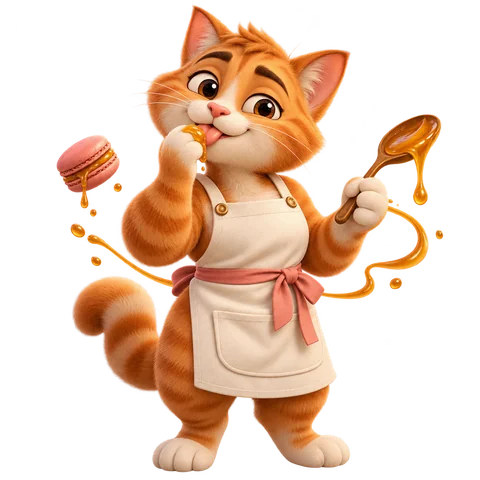 Sweet
SweetSweet Tooth
Caramel, honey, ripe fruit. For you, a great dessert is never an afterthought.
 Sour
SourSour Shock
Lemon, vinegar, ferments. You love dishes that wake you up.
 Salty
SaltySalty Soul
Crisp pretzels, good olives, anchovies. For you, salt is what brings every flavor out.
 Bitter
Dark Side
Black coffee, dark chocolate, a Negroni. You like flavor with an edge.
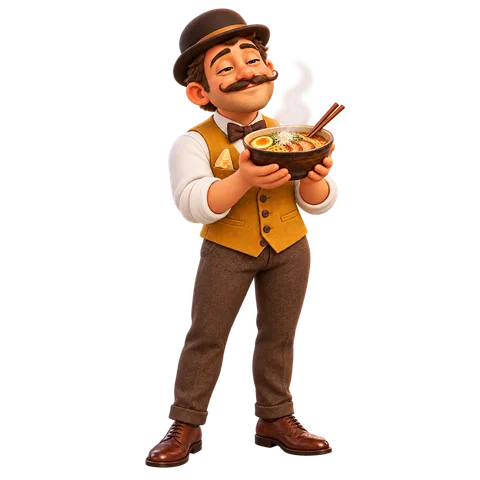 Umami
UmamiMr. Umami
Parmesan, ramen broth, aged cheese. You chase the deep flavor that lingers.
 Spicy
SpicyDr. Spice
If the menu shows a chili, that's your order. Heat isn't the risk for you. It's the reason.
 Everything
Captain Curious
You don't pick sides. Sweet, sour, spicy: you want to taste it all.

Restaurant recommendations that match your taste.
Fitting restaurants first
We use your taste profile to suggest the restaurants that suit you. Places that people with your taste type rated above average move up in your list.
Ratings from people who eat like you
When someone with the same taste type recommends a restaurant, that rating is more relevant for you. So we show you how individual types rated a restaurant.
Only with enough ratings
A type rating only appears once enough people of that type have rated. Until then the order stays as it would be without your type.